Seabirds thriving again in Tetiaora
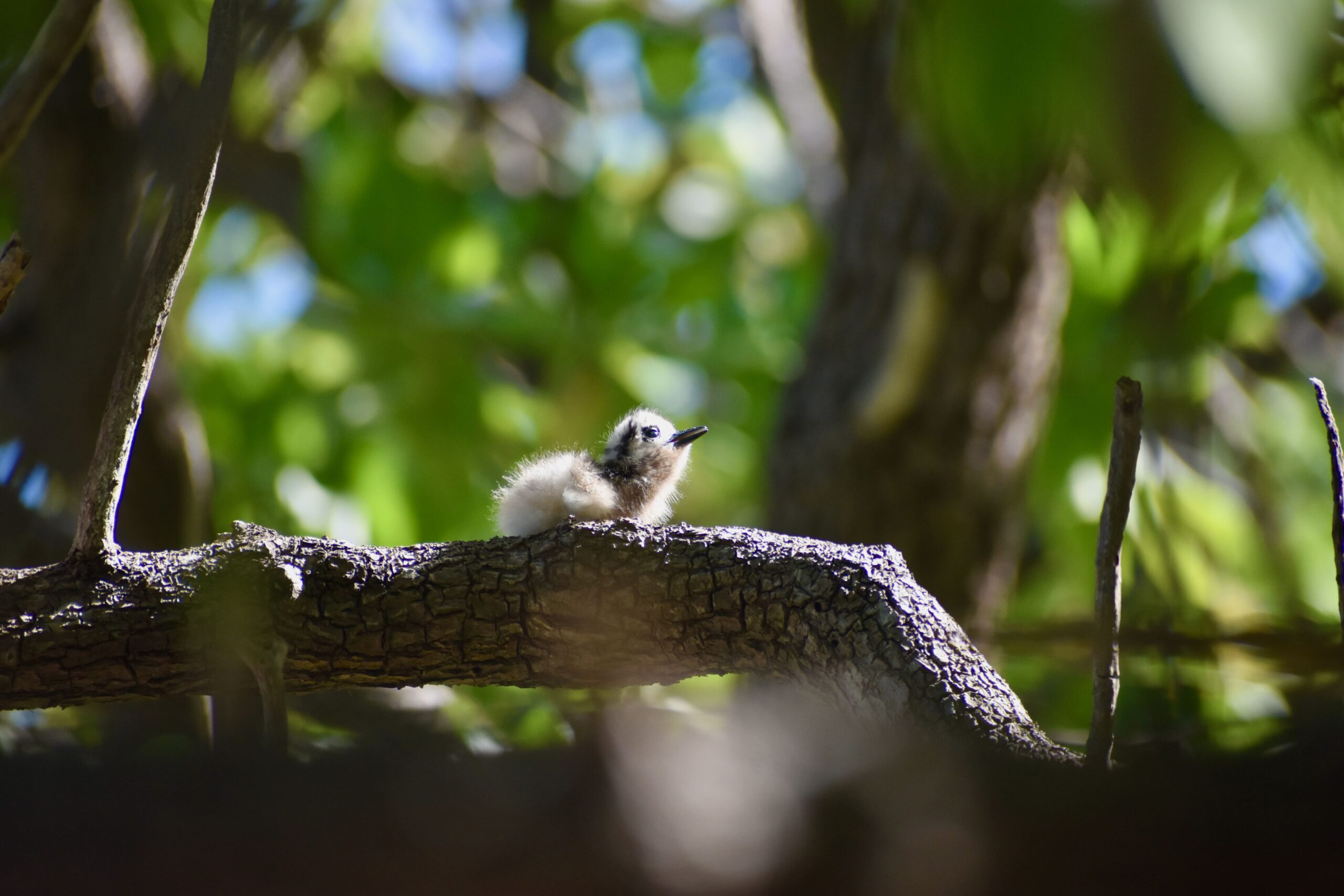
Tetiaroa is home to 16 bird species, including 11 breeding seabirds from the Brown Booby, which can weigh more than 3 pounds, to the White Tern, also called fairy tern due to its small and dainty frame.
Bird research specialists hosted by Tetiaroa Society tracking the birds’ flight patterns and their breeding success over the years identified that invasive species were negatively impacting chicks’ survival rate.
Chick predation
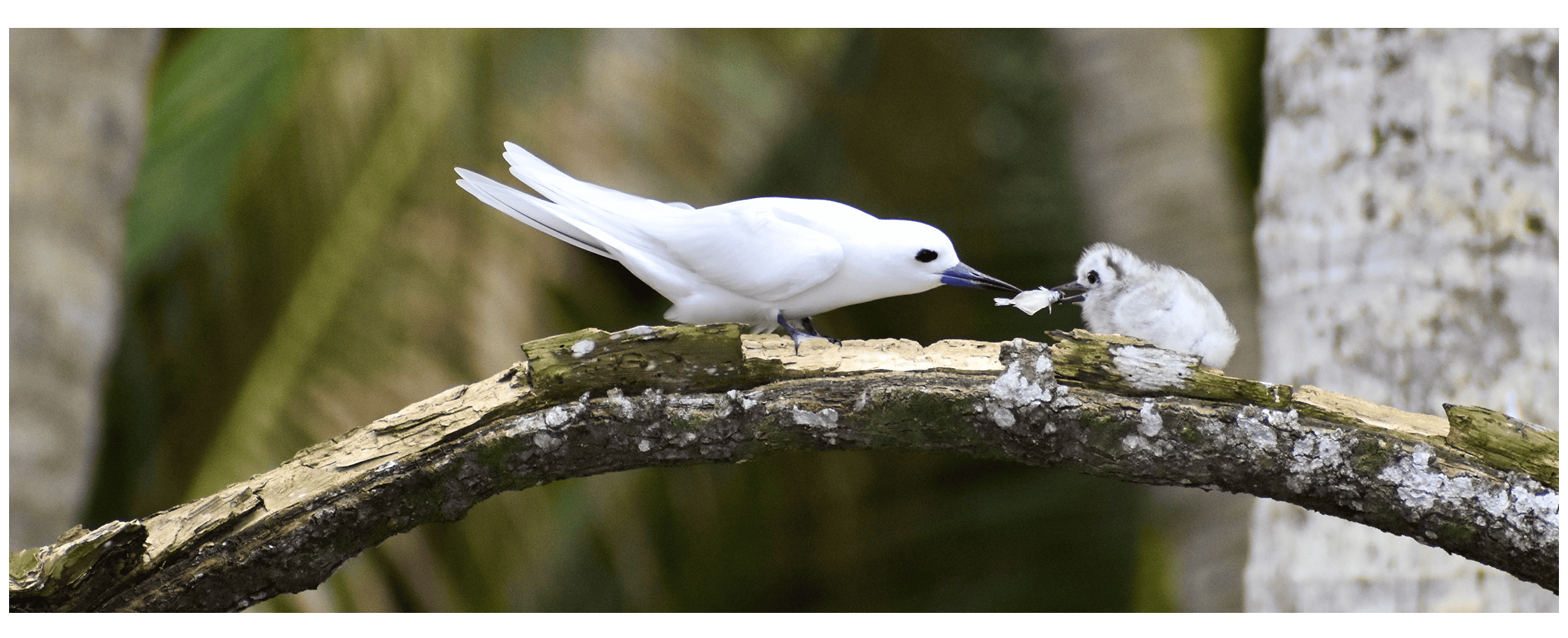
The atoll’s seabirds were under pressure: rats were eating white tern eggs before they could hatch and yellow crazy ants were attacking brown noddy chicks, with a very high mortality rate on several motu. Masked boobies even went years without a single sighting on the atoll and the first chicks spotted in 2022 from one nesting couple were truly a sign of hope !
Of Tetiaroa’s 12 motu, rats were present on 10 and yellow crazy ants on 4.
The situation was concerning, as seabirds are ecosystem engineers. Their guano droppings are packed with nutrients that fertilize coral reefs. Renewed seabird populations maintain healthy reefs while healthy reefs, essential habitats for marine life, mean thriving oceans.
So in 2018, Tetiaroa Society—the nonprofit conservation arm of The Brando eco-resort—launched the Tetiaroa Atoll Restoration Program (TARP) with one bold mission:restore the natural balance by eliminating invasive species and protecting biodiversity.
Encouraging results
Today, every single one of Tetiaroa’s 12 motus has been treated for rats. Yellow crazy ant infestations have been eliminated. And the birds are responding.
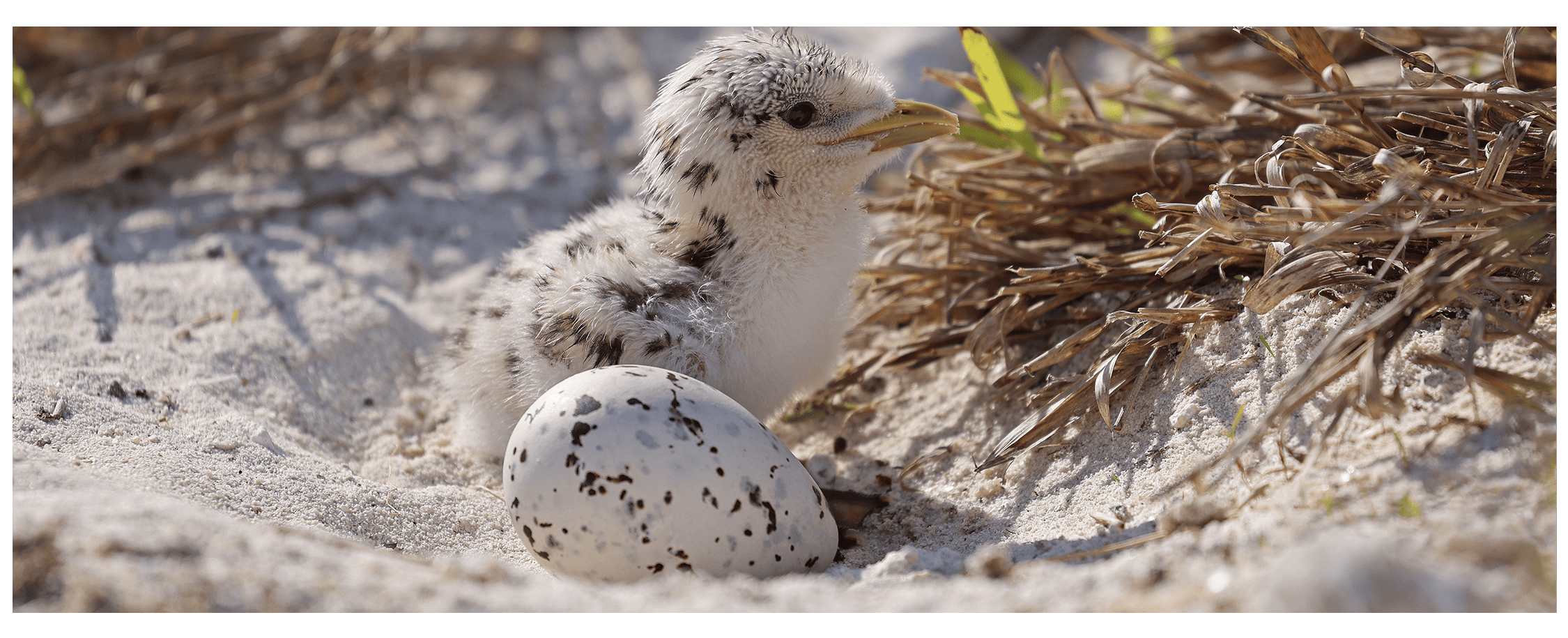
White terns have more than doubled their presence. We counted 175 nests before TARP began. By 2022, we were monitoring 460 nests. In areas now free of rats, there are 2.6 times more nests. 77% of eggs are hatching, and 90% of those chicks are surviving to fledge, growing strong enough to fly and leave the nest.
Brown noddies are bouncing back too. After yellow crazy ant removal, nest numbers jumped 2.8 times in just one year. In 2022, we monitored 502 eggs and about half successfully hatched—a dramatic turnaround from the near-total losses we used to see on several motu.
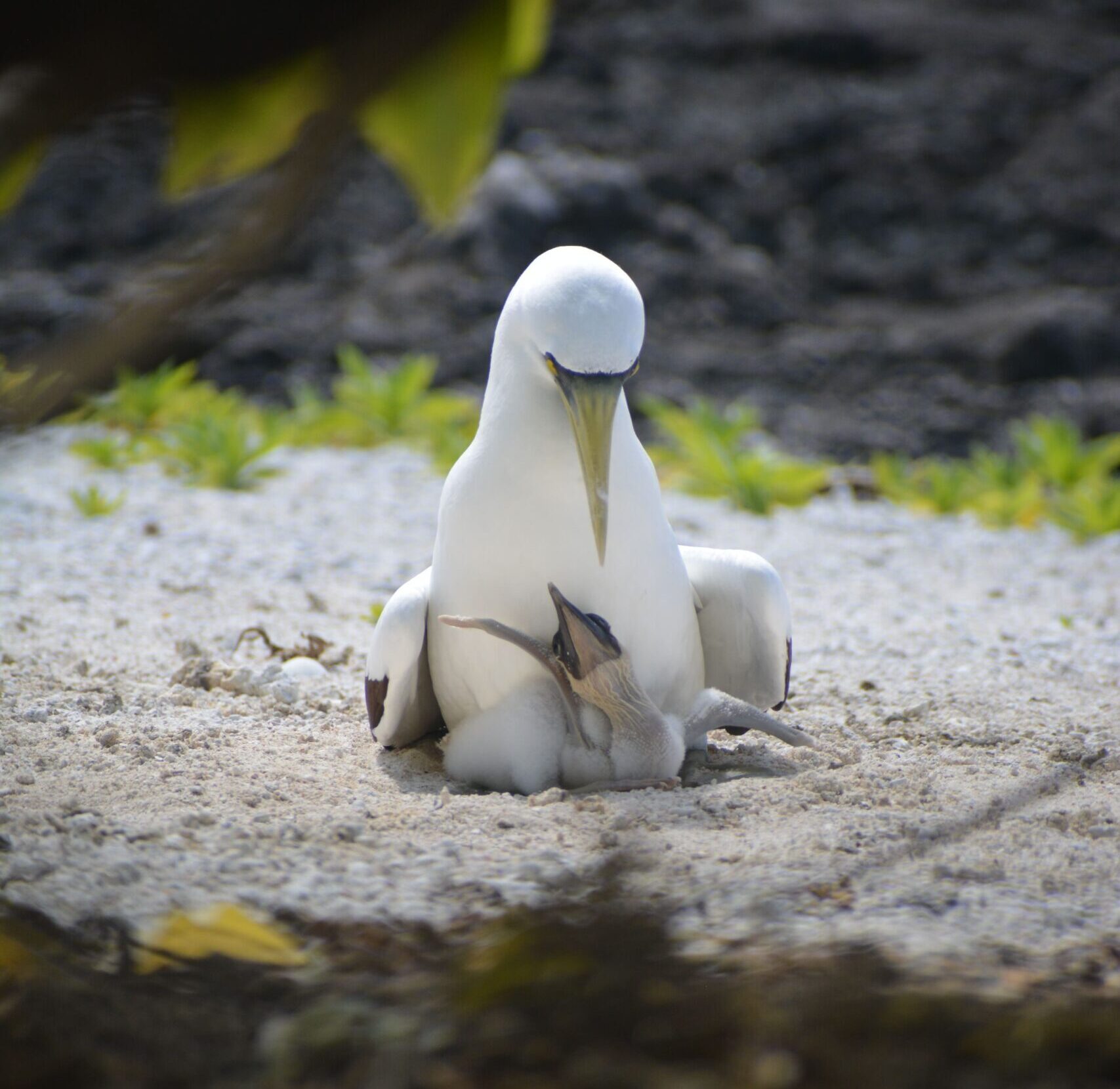
Masked boobies are back on the atoll. Between 1994 and 2021 a single observation of the species hadn’t even been recorded in Tetiaroa. Since 2022, at least one chick has successfully fledged each year.
What’s Next
TARP’s work hasn’t gone unnoticed. In 2024, we received La Mer en Commun label from the Government of French Polynesia, recognizing our contribution to “preserving coral reefs and the health of lagoons, sources of life, biodiversity, and community well-being.”
But here’s the truth: this recovery is fragile. Nature can heal remarkably fast when given a chance, but invasive species can return. A few rat observations have been reported on a motu despite clear eradication and a new campaign will be launched again soon.
Continued monitoring, nest protection, and pest control are essential to securing the next generation of seabirds and the coral reefs they support. Tetiaroa is proving that island restoration works. In a world facing climate change and biodiversity loss, this atoll is becoming a model for conservation everywhere…
How to be a part of this
Our Board are stepping up to match every gift made this Giving Tuesday, up to $20,000 USD.
That means your $100 becomes $200.
They’re challenging us to double our impact for the island, and your support makes this possible.
Giving Tuesday : Protecting our seabirds together